Why we love it
Why we love it
Why we love it
Why we love it
Why we love it
Why we love it
Why we love it
Why we love it
Why we love it
Why we love it
Why we love it
Why we love it
Why we love it
Why we love it
Why we love it
Why we love it
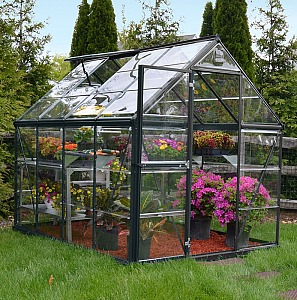
Why we love it
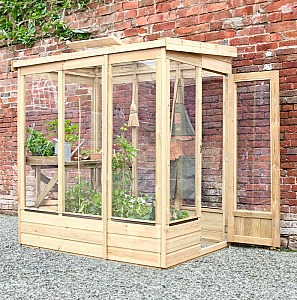
Why we love it
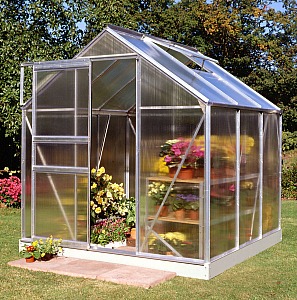
Why we love it
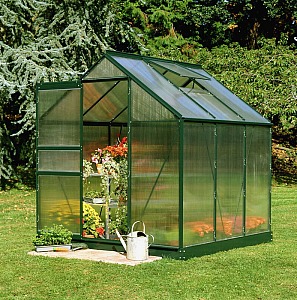
Why we love it
Compare over 74 small greenhouses from trusted UK retailers. Polycarbonate, glass and mini greenhouses, priced and ranked in one place.
A small greenhouse does two jobs at once. It protects your plants from frost and wind and it stretches your growing season at both ends.
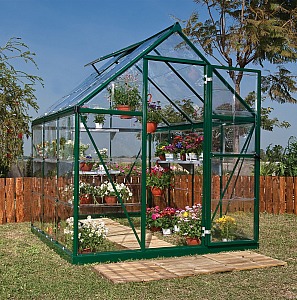
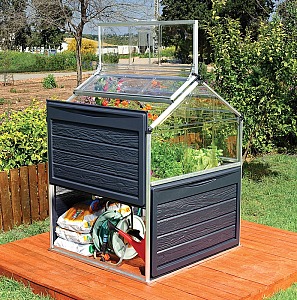
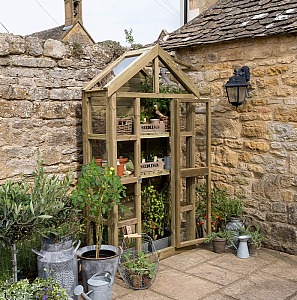
We make finding and buying the right small greenhouse as simple as possible.
Search over 74 greenhouses. Filter by size, price and material.
Every listing shows the size, material, glazing and warranty. No guesswork.
We link directly to the retailer with the best current price — saving you time and money.
Your greenhouse arrives free to most UK mainland addresses, usually within 3–7 working days.
Join the UK gardeners who found the right small greenhouse through Small Green Houses. Live prices, honest specs, trusted retailers.
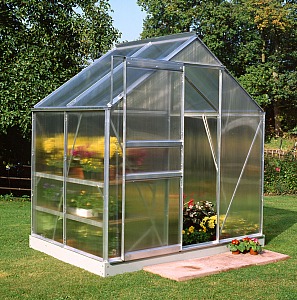
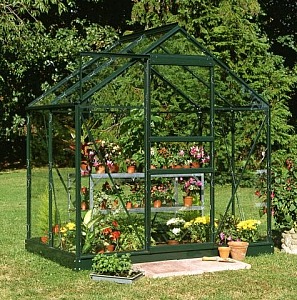
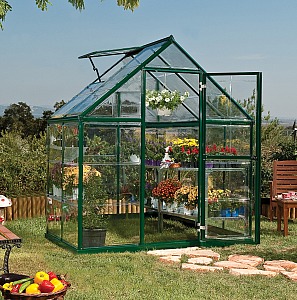
Choosing the best small greenhouse comes down to four things: size, material, glazing and where it sits in your garden. Whether you want a compact polycarbonate mini greenhouse for a patio, a classic aluminium-frame glass greenhouse for a cottage garden, or a wide walk-in greenhouse for a full plot, the right one gives you growing space that suits your plot and your budget.
At Small Green Houses we compare hundreds of products from leading UK retailers — including Palram, Rhino Greenhouses, Halls, Eden, Vitavia and Elite — so you can see every option side by side and find the best price fast.
A garden greenhouse earns its keep from the first frosty morning. It keeps wind, frost and heavy rain off young plants, so seedlings survive a cold snap that would kill them outdoors. Anyone growing tomatoes, chillies or cucumbers gets weeks of extra warmth compared with an open bed. Tools and compost stay dry and close to hand too.
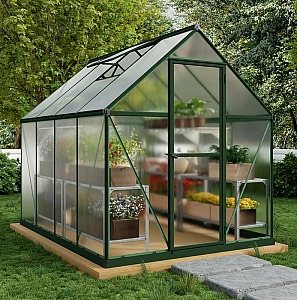
There is a plain practical gain as well. A bare patch of garden with nowhere to start seeds limits what you can grow. A mini greenhouse with staging and shelving turns a spare corner into a working growing space, which is why keen gardeners often rate it as their best purchase. It is one of the cheapest ways to grow your own food year-round.
Greenhouses are quoted as width x depth, almost always in feet. Width runs across the front, depth is how far back it goes. Here are the sizes that cover most UK gardens:
Two greenhouses at the same size can behave very differently in wind and sun. These are the specifications worth comparing:
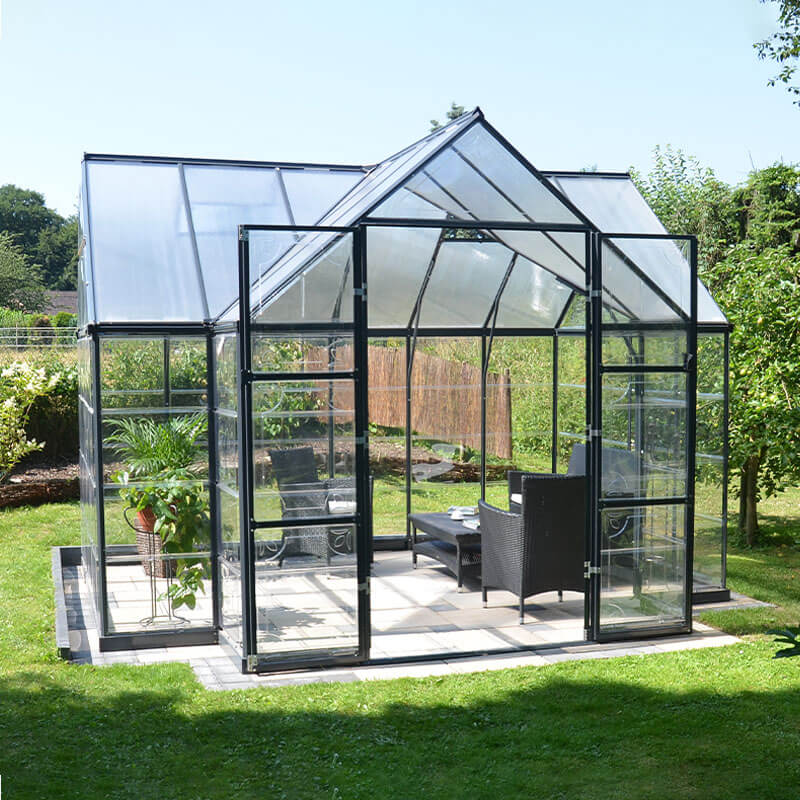
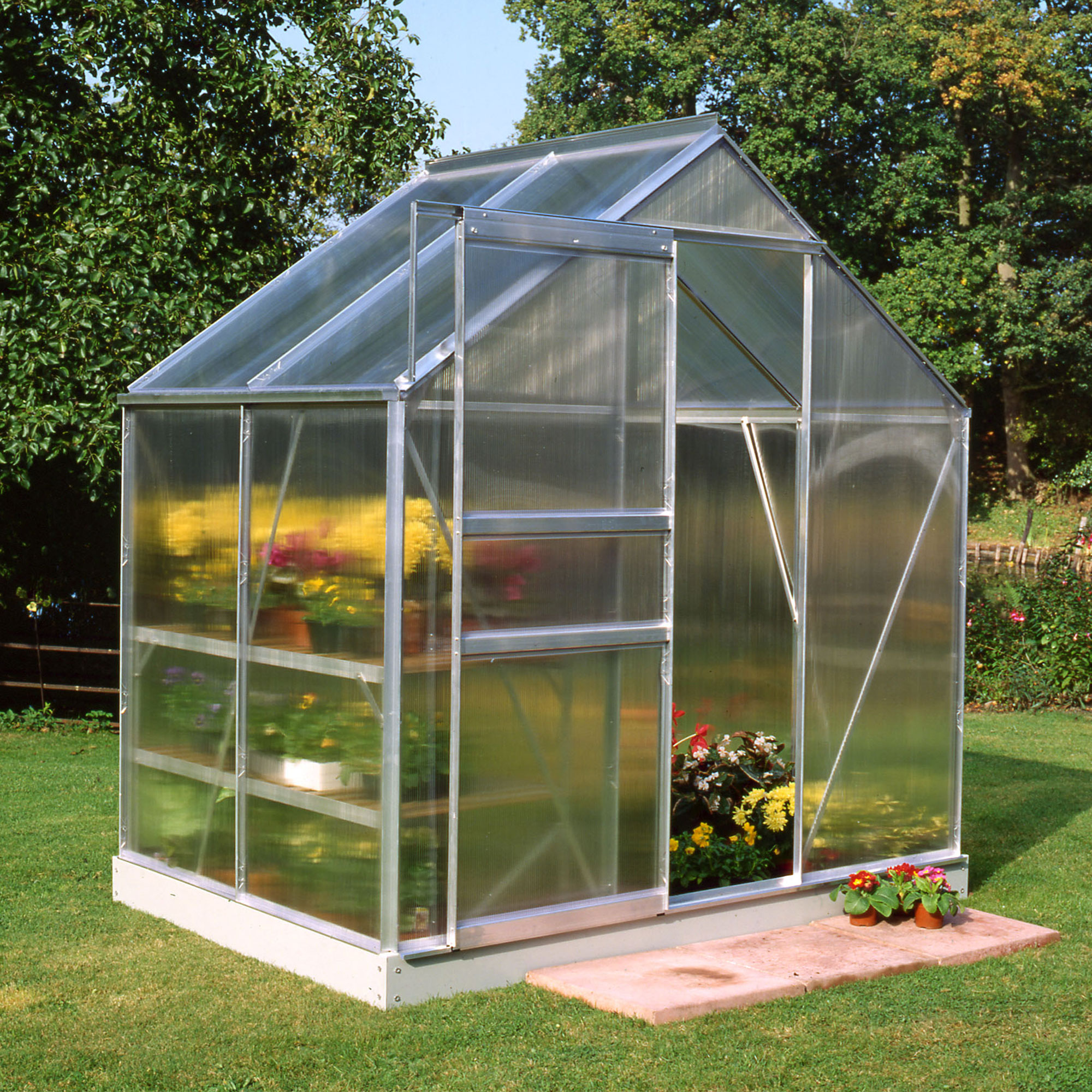
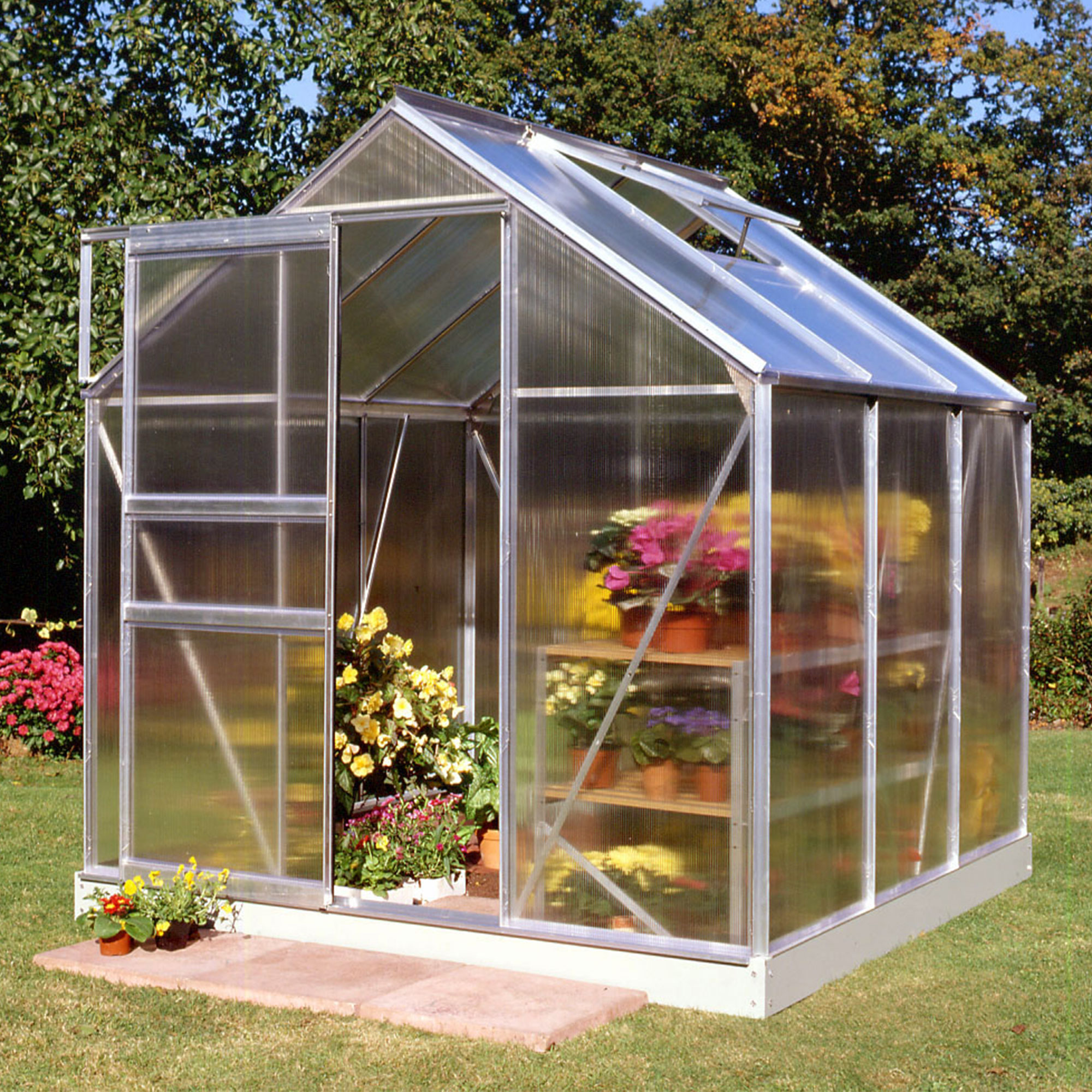
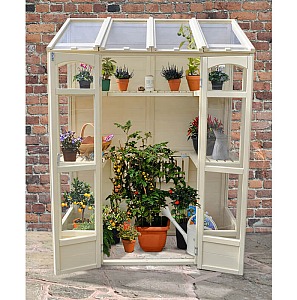
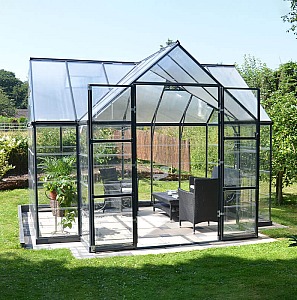
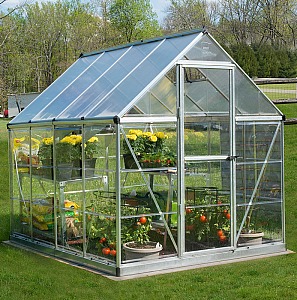
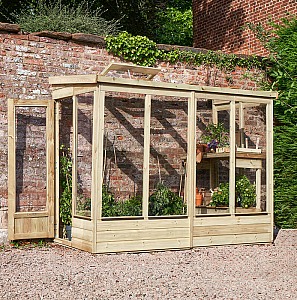
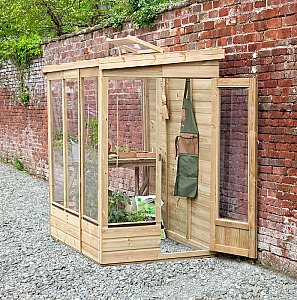
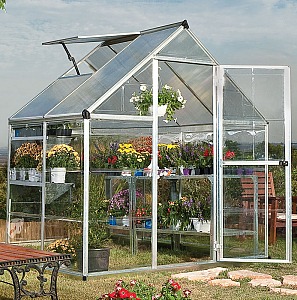
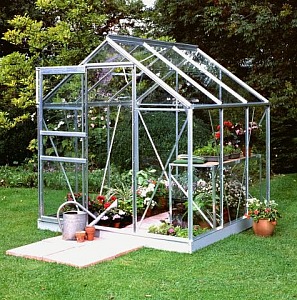
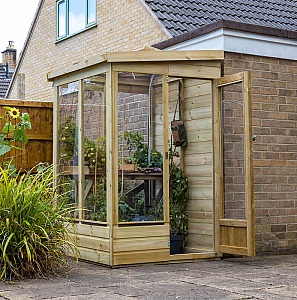
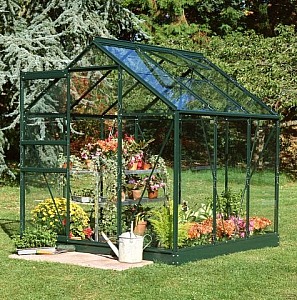
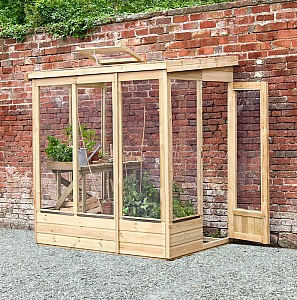
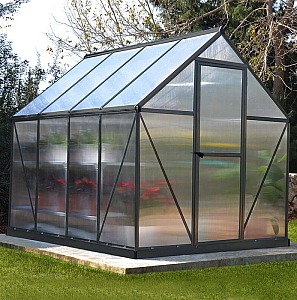
Three shapes dominate UK small greenhouses. A lean-to greenhouse sits against a wall or fence, cheapest to buy and easiest to site and it suits small gardens and patios. An apex greenhouse has a traditional pitched roof, usually glazed in polycarbonate or glass and it reads as a natural garden feature.
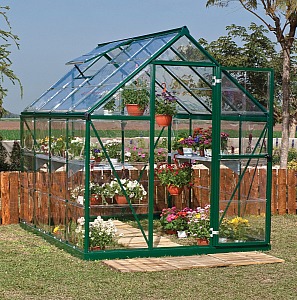
A walk-in greenhouse gives full headroom and space for a pathway between beds, throwing light evenly across the growing area. Sliding doors and roof vents are worth considering on larger models.
Most retailers we compare offer free UK mainland delivery on small greenhouses as standard, which counts for a lot given the awkward box sizes involved. Typical delivery runs from 3 to 10 working days, with some retailers offering a named-day slot. Check the product page for your postcode, as parts of Scotland, Northern Ireland and the islands can carry a surcharge.
Greenhouses arrive as a kit with a frame, panels and instructions. Allow a full weekend for a 6x8ft aluminium-frame greenhouse with two people; wide glass models take longer and are heavy enough to justify a fitter. Always level the base first, since a poor start makes the whole build harder.
A domestic greenhouse normally counts as permitted development and does not require planning permission, so long as it stays within the usual limits for garden outbuildings: reasonable ground coverage, under the height limits for your boundary position and not sited forward of the house. Listed buildings and homes in conservation areas or national parks follow tighter rules — ask your local planning authority before you order.